

 Pages
PagesVaranasi, known for being one of the oldest and holiest cities in the world, offers an unparalleled experience to its visitors. On the banks of the Ganges River, this city is not only a testament to India’s deep spirituality and tradition, but also a place where past and present merge in fascinating ways.
From the vibrant sunrises over the ghats to the spiritual ceremonies that occur at nightfall, Varanasi promises an adventure that touches the soul of every traveler.
Below, we’ll explore what makes Varanasi an exceptional destination, walking through its history, top attractions, unique experiences and practical tips for making the most of your visit. Get ready to immerse yourself in the heart of India and discover the secrets of this timeless city.
History and Cultural Significance of Varanasi
Varanasi, also known as Varanasi or Kashi, is much more than a city; it is a spiritual center that has attracted pilgrims and spiritual seekers for thousands of years.
Also Read – Top 10 Largest & Most Populous Cities in the World
Its history dates back more than 3,000 years, making it one of the oldest continuously inhabited cities in the world.
In Varanasi, the essence of the Hindu religion and the concept of moksha (liberation from the cycle of reincarnation) palpably come alive at every turn.
Religious and Cultural Importance
Varanasi has been an important center of Hindu learning and philosophy. Here, scholars and philosophers have debated the sacred texts and taught their interpretations to generations of students.
The city is famous for its many festivals and rituals, such as Dev Deepawali, the festival of the gods, which is celebrated with thousands of lamps illuminating the ghats, creating a magical spectacle that attracts visitors from all over the world.

Also Read – India’s Best Tourist Places to Visit In India
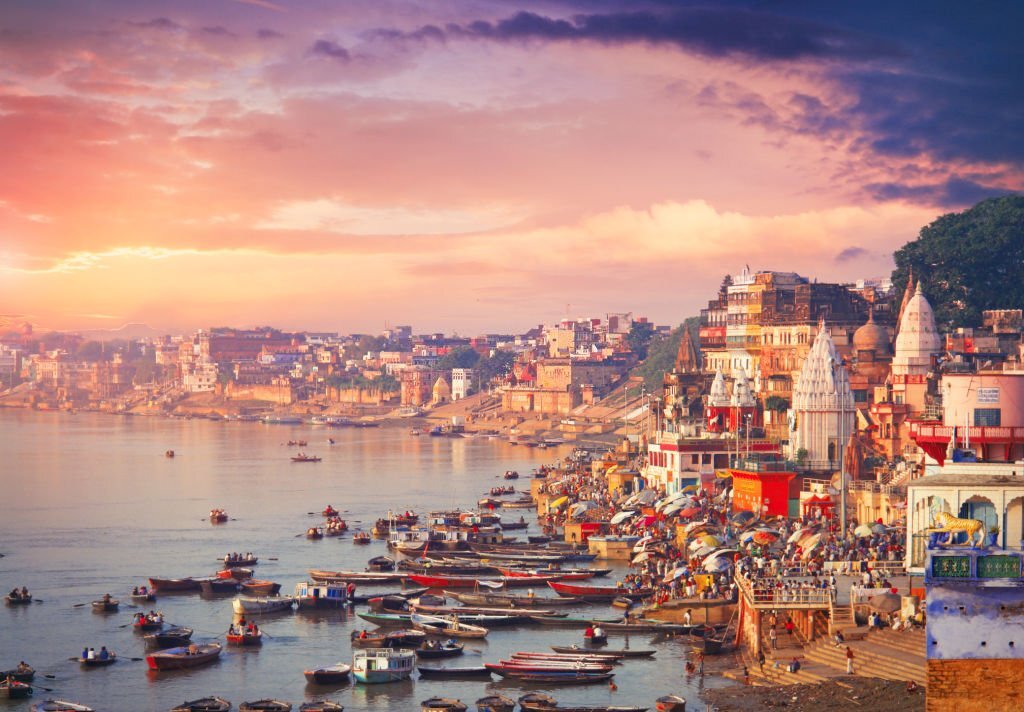
Considered sacred by millions of Hindus, the Ganges River is the spiritual heart of Varanasi. The ghats, or stone steps leading down to the river, are the scene of daily rituals where devotees perform ablutions to purify themselves of their sins and offer prayers at sunrise and sunset.
Manikarnika and Harishchandra Ghat are places where open cremations are performed. These rites reflect the belief in life after death and the importance of Varanasi as a place to achieve spiritual liberation.
The amalgamation of the ancient and the contemporary, where age-old spiritual practices meet the daily life of the locals, makes Varanasi tours a unique place.
Religious and Cultural Importance
Varanasi has been an important center of Hindu learning and philosophy. Here, scholars and philosophers have debated the sacred texts and taught their interpretations to generations of students.
The city is famous for its many festivals and rituals, such as Dev Deepawali, the festival of the gods, which is celebrated with thousands of lamps illuminating the ghats, creating a magical spectacle that attracts visitors from all over the world.
Also Read- India Travel Guide: When (Climate) and How to Go
Considered sacred by millions of Hindus, the Ganges River is the spiritual heart of Varanasi. The ghats, or stone steps leading down to the river, are the scene of daily rituals where devotees perform ablutions to purify themselves of their sins and offer prayers at sunrise and sunset.
Manikarnika and Harishchandra Ghat are places where open cremations are performed. These rites reflect the belief in life after death and the importance of Varanasi as a place to achieve spiritual liberation.
The amalgamation of the ancient and the contemporary, where age-old spiritual practices meet the daily life of the locals, makes Varanasi a unique place.
Socioeconomic and Environmental Impact of Tourism in Varanasi
Tourism in Varanasi not only offers travelers the opportunity to explore one of the oldest and most spiritual cities in the world, but also has a significant impact on the local community and the environment.
Tourism is a major source of income for many residents of Varanasi. From vendors in the ghats to tour guides, many families depend on the constant flow of tourists for their livelihood.
The tourism sector provides numerous jobs for the local population, including hotels, restaurants, transportation, and trade in traditional handicrafts and textiles.
Tourist interest in Varanasi’s traditions and rituals helps keep these practices alive, ensuring that future generations can also learn and participate in them.
One of the most critical problems is pollution of the Ganges River, exacerbated by the high concentration of activities on the ghats, including cremation rituals and waste from the city.
The massive influx of tourists can lead to degradation of historical and cultural sites, especially in the ghats, where daily wear and tear is considerable.
Increased tourism also generates greater amounts of waste that can affect the cleanliness of the city and public health.
Sustainability Initiatives
Several non-governmental organizations and community groups are working to educate both locals and visitors about the importance of keeping the Ganges clean and preserving Varanasi’s cultural sites.
There are ongoing efforts to clean and preserve the river, including improving wastewater treatment infrastructure and promoting more sustainable practices among local industries.
Tourists are encouraged to participate in responsible tourism by choosing services that support the local economy and minimize environmental impact.
As a visitor to Varanasi, you can make a positive contribution by choosing to participate in activities that respect both the local culture and the environment.
Opting for local guides, avoiding single-use plastics and participating in community-based tourism programs are excellent ways to support the community in a sustainable way.
Tips for Traveling to Varanasi
Also Read- Heritage Museums of India
Visiting Varanasi is an unforgettable experience, but as with any trip, it is important to be prepared.
Best Time to Visit
Varanasi has a typically tropical climate.
The coolest and most pleasant months to visit are from October to March, when the weather is milder.
The summer months, April through June, can be extremely hot.
If you are interested in experiencing Varanasi during a cultural event, plan your trip during festivals such as Dev Deepawali (November) or Holi (March).
These festivals are vibrant and bustling times, though also more crowded.
How to get to Varanasi
Varanasi is accessible by air, rail and road.
The nearest airport to Varanasi is Lal Bahadur Shastri International Airport, and the city is well connected by rail to major cities in India.
Getting around Varanasi
To get around the city, you can opt for rickshaws, cabs or even rent a bicycle.
Many of the sacred sites are in pedestrian zones, so walking is often the best option.
Accommodation
Varanasi offers a wide range of accommodation options, from budget hostels and ashrams to luxury hotels.
Consider staying near the ghats or the old town for easy access to the main sites of interest.
During festivals and peak tourist season, it is advisable to book your accommodation in advance.
Safety and Dress
When visiting religious sites, be sure to dress modestly and follow local regulations, such as removing your shoes before entering temples.
Although Varanasi is generally safe for tourists, it is always wise to take care of your belongings, especially in crowded areas.
Stay hydrated and always carry bottled water with you. In addition, it is advisable to carry a small first aid kit and basic medicines.
What to see in Varanasi
Varanasi is a mosaic of cultural, historical and spiritual experiences.
The Ghats
The ghats in Varanasi are one of the most distinctive and spiritual features of the city.
They are a series of stone steps that are located on the west bank of the Ganges River.
These ghats descend to the river, providing access to the sacred waters that are central to many Hindu religious and cultural practices.
In Varanasi, there are approximately 88 ghats, each with its own history and significance. The ghats are public places where various daily activities and religious rituals take place.
Varanasi: A Complete Guide To The Sacred City Of Ghats And Temples
Dashashwamedh Ghat
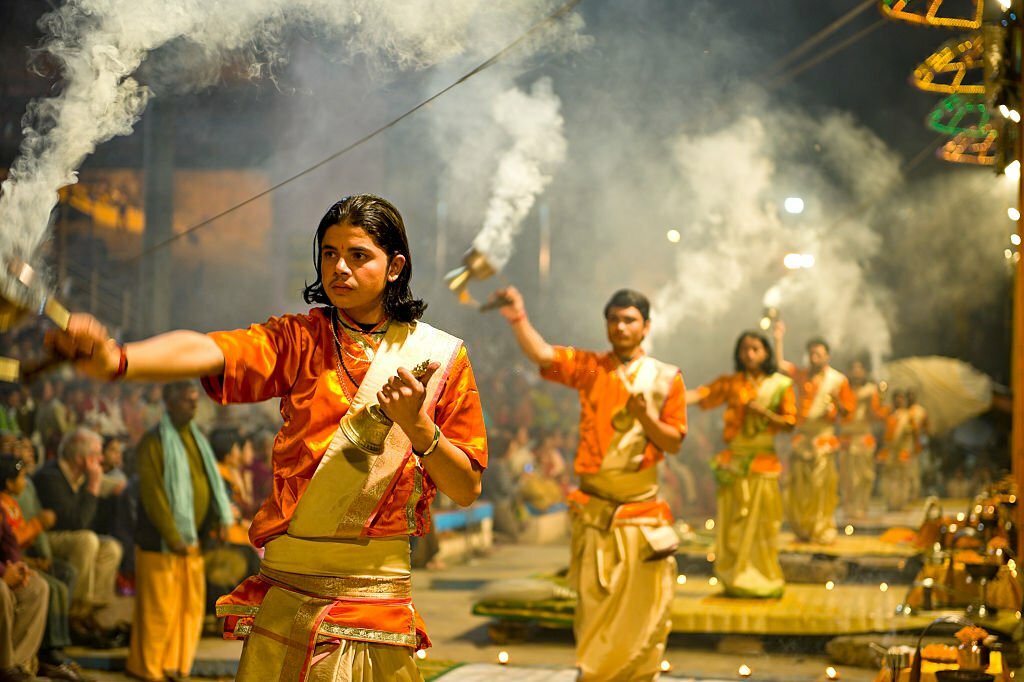
One of the most spectacular and ancient ghats, known for its daily Aarti ceremony at sunset, where priests perform offerings to the fire accompanied by devotional chanting, creating an ethereal atmosphere.
Assi Ghat
Located at the confluence of the Ganges River and the Assi River, it is popular with visitors looking to observe morning religious rituals or simply enjoy a leisurely stroll at sunrise.
Temples
Kashi Vishwanath Temple
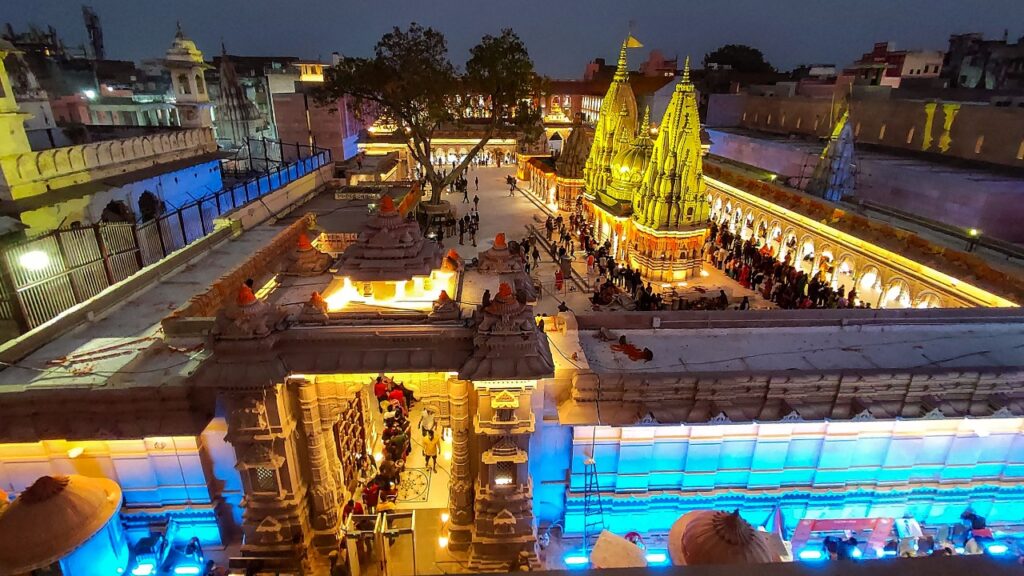
Dedicated to Shiva, the Kashi Vishwanath Temple is one of the twelve Jyotirlingas and a crucial pilgrimage site in Varanasi. Its golden architecture not only attracts devotees, but also those interested in the architectural and spiritual richness of India.
Sankat Mochan Hanuman Temple
This temple is famous for its devotion to Hanuman and is a meeting point for those seeking protection and blessings.
Durga Temple
Known as the “temple of the monkeys,” this vibrant worship center is dedicated to the goddess Durga and is famous for the monkeys that inhabit its surroundings.
Varanasi Experiences
Varanasi is not only a destination to be visited; it is lived and felt.
Beyond its temples and ghats, it offers a number of unique experiences that allow visitors to connect deeply with the city and its traditions.
Sunrise and Sunset Aarti Ceremony
Participating in the Aarti ceremonies at the ghats is a transformative experience. At sunrise, devotees and pilgrims congregate to offer prayers and chants to the Ganges River, while at sunset, lamps and incense create a mystical atmosphere, illuminated by thousands of floating diyas on the river.
Sunrise Boat Ride
Boating on the Ganges at sunrise offers a peaceful and serene view of Varanasi. It is an ideal time to reflect as you watch the city awaken, with the first rays of the sun bathing the ghats and temples in gold.
Varanasi: Complete Guide To The Sacred City Of Ghats And Temples
Local Cuisine
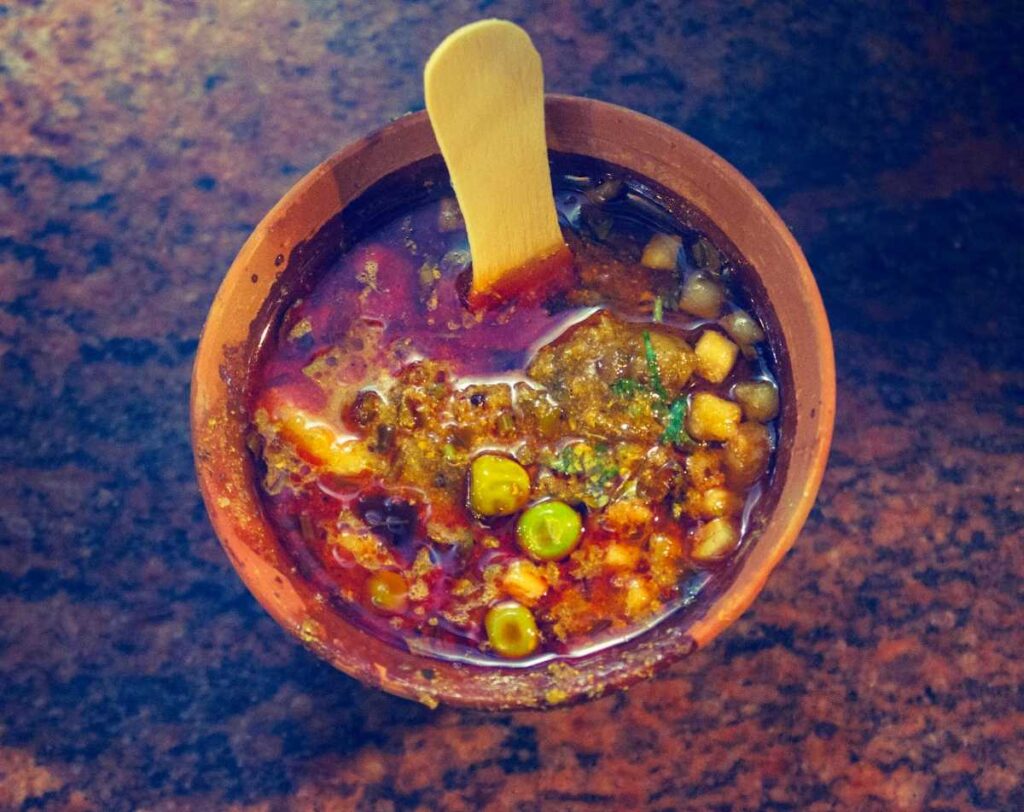
To taste the local food is to immerse yourself in the culture of Varanasi. You can’t miss Kachori sabji and Jalebi for breakfast, followed by a sweet paan of Banaras as a digestif.

From street stalls to restaurants overlooking the Ganges, Varanasi offers a wide range of options for all tastes and budgets.
Activities and Adventure
Exploring Varanasi on foot with a local guide can open your eyes to stories and nooks and crannies that many tourists never get to see
Participating in yoga and meditation sessions at ghats or specialized centers is an ideal way to connect with the spiritual aspect of the city.
Popular Varanasi Tours


Comments are closed