
Overview
Get here 6 Nights 7 Days Bhutan Tours which covers best of Bhutan Places Paro, Thimpu, Punakha.Experience the serene beauty and rich cultural heritage of Bhutan through the charming destinations of Thimphu, Paro, and Punakha. From ancient monasteries and majestic fortresses to breathtaking valleys and Himalayan landscapes, this journey offers a perfect blend of spirituality, nature, and traditional Bhutanese culture.
Highlights
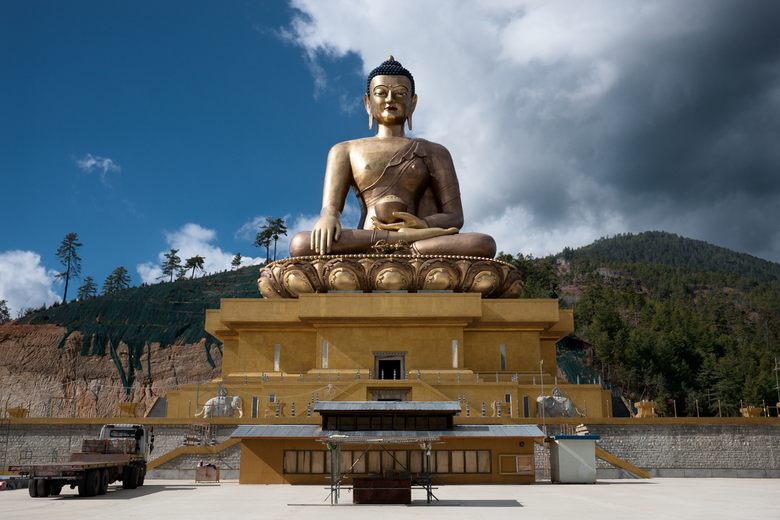
- Explore the capital, Thimphu, and visit iconic attractions such as the Buddha Dordenma, the Memorial Chorten, and Tashichho Dzong.
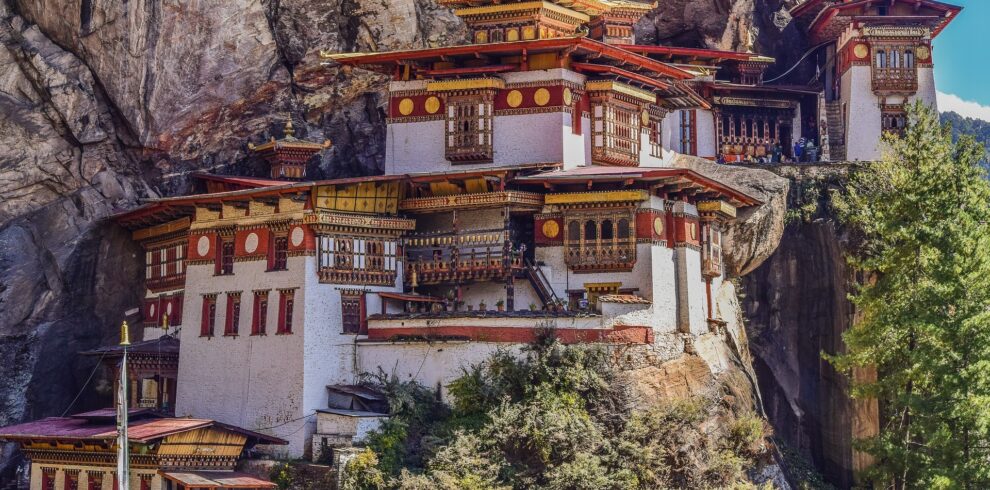
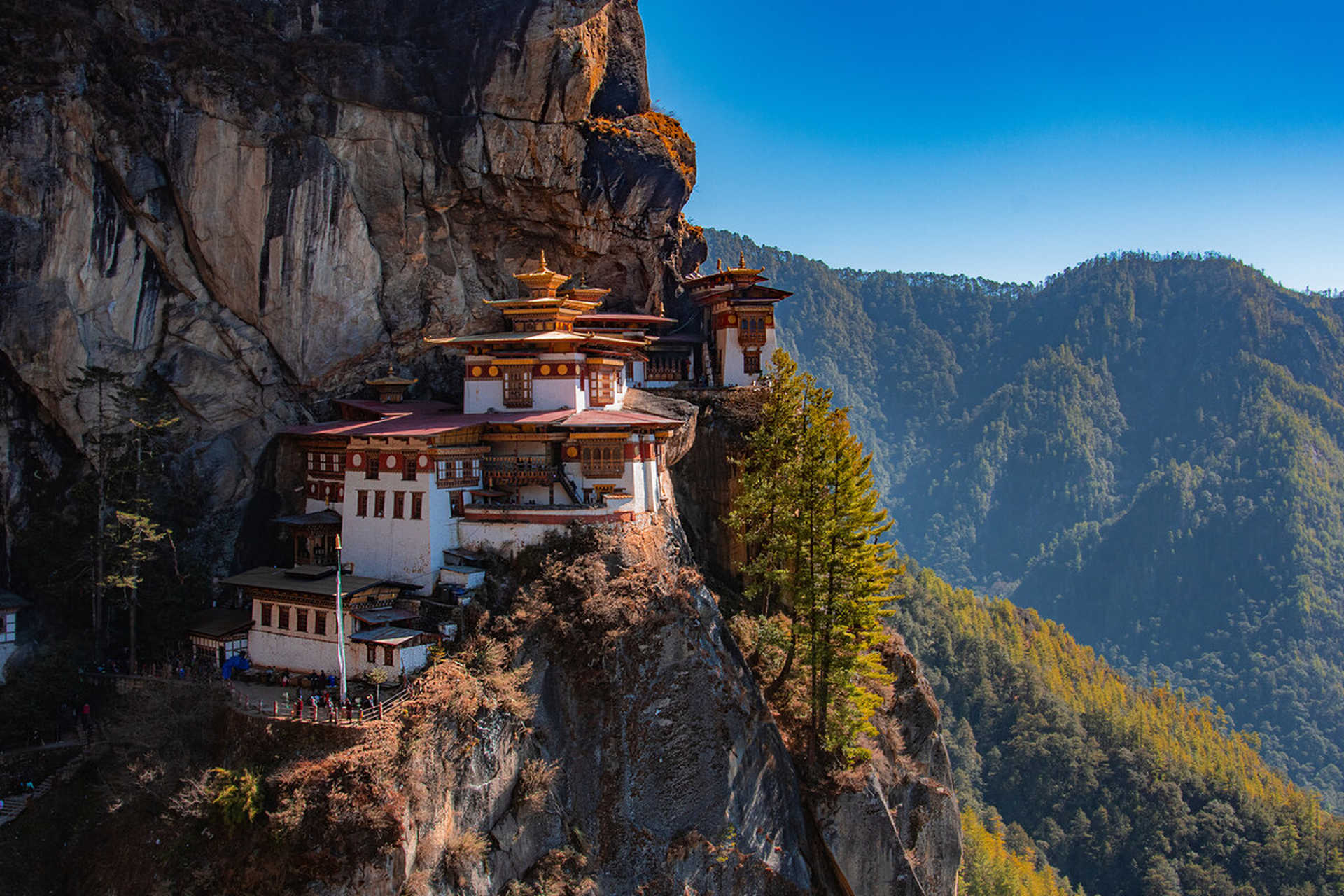
- Discover the scenic beauty of Paro and take a hike to the famous Tiger’s Nest Monastery.
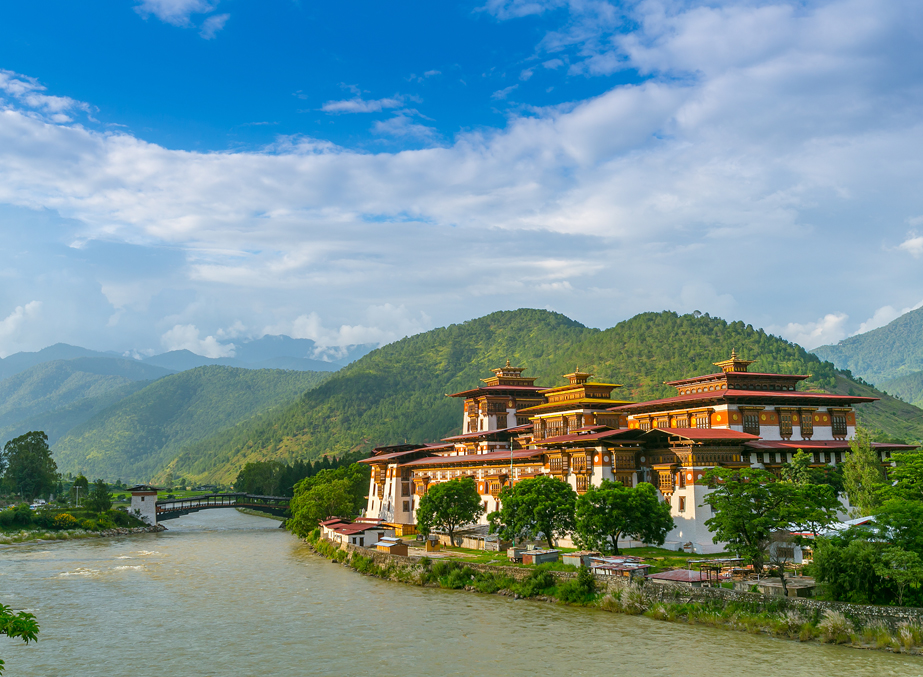
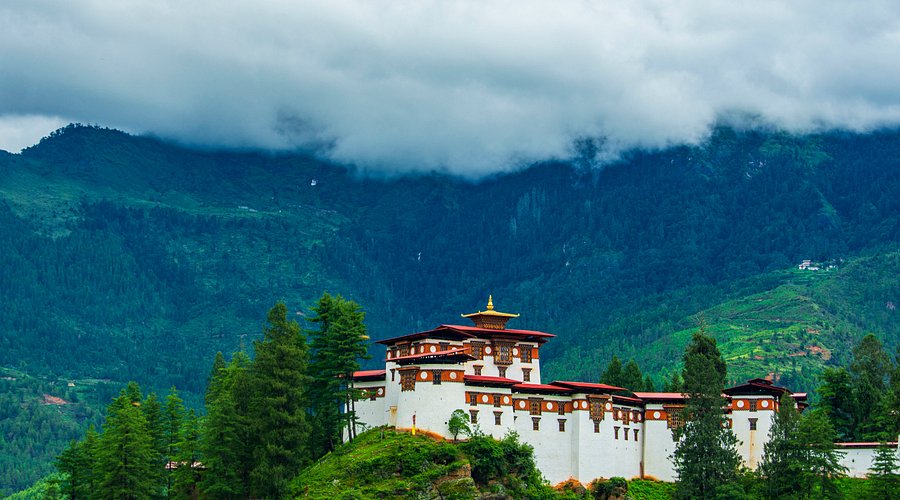
- Visit the historic Punakha Dzong, one of Bhutan’s most beautiful fortresses.
- Enjoy breathtaking mountain views, peaceful valleys, and authentic Bhutanese hospitality.
- Experience Bhutan’s unique culture, traditional architecture, and local way of life.
- Cross the beautiful Dochula Pass, with its stunning panoramic views of the Himalayas.
Detailed Itinerary
Covered Destinations - Thimphu (2N) – Punakha (1N) – Paro (2N)
Upon arrival in Thimphu, check in at the hotel. As the capital of Bhutan and the center of government, religion, and commerce, Thimphu is a unique city that offers an unusual blend of modern development and ancient traditions.
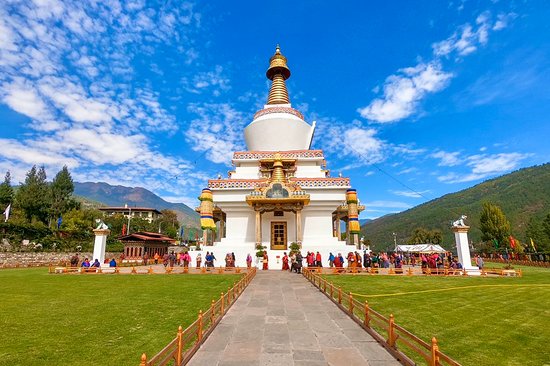
Later in the afternoon, visit the National Memorial Chorten, a large white structure crowned by a golden spire. It is located near the center of Thimphu and is one of the city’s most iconic landmarks.
Next, we will take an exploratory walk along Thimphu’s main street and through the market area. We will explore Ka Ja Throm. Formerly known as the Centennial Farmers’ Market (CFM), Ka Ja Throm marks a significant transformation in Thimphu’s urban landscape and has been designated as the Market District, a space where the economies of leisure, culture, knowledge, employment, and tourism converge.
Overnight at the hotel in Thimphu (altitude: 2,320 m).
In the morning, take a short drive north of the city to reach Buddha Dordenma, situated atop a hill within the serene Kuenselphodrang Nature Park. This extraordinary statue brings to life an ancient prophecy dating back to the 8th century AD, which was unearthed by Terton Pema Lingpa, a discoverer of religious treasures.
Next, take the walk from Buddha Dordenma to Changangkha Lhakhang (an easy hike of about an hour and a half). As you make your way along this trail, you’ll be greeted by the magnificent sight of thousands of prayer flags fluttering in the breeze, creating a colorful and spiritual welcome.
Visit Changangkha Lhakhang, an ancient temple with a rich history dating back to its founding by the lama Phajo Drugom Shigpo.
Visit Drubthob Goema / Zilukha Nunnery: situated on a promontory overlooking the picturesque Trashichhoedzong and the golf course, it is the capital’s only nunnery, known as Zilukha Anim Dratsang.
After lunch, to delve into Bhutan’s traditional crafts, visit the National Institute of Zorig Chusum; founded in 1971, it is the premier institution dedicated to preserving and promoting Bhutan’s thirteen traditional arts and crafts.
This is followed by a visit to the Folk Heritage Museum, dedicated to connecting people with Bhutan’s rural past through exhibitions, demonstrations, educational programs, and documentation of rural life.
Conclude the day’s sightseeing with a visit to Trashichhoedzong, the “Fortress of the Glorious Religion.” This is the center of government and religion, home to the monarch’s throne room and the seat of the Je Khenpo, or Chief Abbot.
Overnight at the hotel in Thimphu (Altitude 2,320m).
After breakfast, take a drive to Dochu-la Pass, located at an altitude of 3,088 meters (approximately 10,130 feet). Stop briefly here to take in the magnificent scenery and admire the chorten, the mani wall, and the prayer flags that adorn this high-altitude spot.
At Dochula Pass, a collection of 108 chortens—known as the Druk Wangyal Chortens—was commissioned by Ashi Dorji Wangmo Wangchuk, the Grand Queen Mother.
Continue your journey to Punakha. Once the capital of Bhutan and the seat of government until 1955, Punakha continues to serve as the winter residence of the Je Khenpo, the chief abbot.
After a satisfying lunch, explore Punakha Dzong—also known as the Palace of Great Happiness—built at the confluence of the Phochu and Mochu rivers in 1637 by Zhabdrung Ngawang Namgyal.
Later in the afternoon, enjoy a short excursion to Chimi Lhakhang, also known as the Temple of Fertility.
After breakfast, drive to Paro along a scenic road.
Upon arrival in Paro, check in at the hotel.
The beautiful Paro Valley is home to a rich culture, stunning scenery, and hundreds of myths and legends. It houses many of Bhutan’s oldest temples and monasteries, the National Museum, and the country’s only international airport.
After lunch, head to visit the Ta Dzong, originally built as a watchtower, which now houses the National Museum.
The visit to Ta Dzong is immediately followed by a short walk downhill along the path to visit Rinpung Dzong (Paro Dzong)—whose name means “fortress of the heap of jewels”—which has a long and fascinating history.
Step inside to visit a traditional farmhouse. These charming structures—often adorned with intricate woodwork and painted in vibrant colors—are a testament to Bhutan’s architectural heritage.
After breakfast, drive to Paro along a scenic road.
Upon arrival in Paro, check in at the hotel.
The beautiful Paro Valley is home to a rich culture, stunning scenery, and hundreds of myths and legends. It houses many of Bhutan’s oldest temples and monasteries, the National Museum, and the country’s only international airport.
After lunch, head to visit the Ta Dzong, originally built as a watchtower, which now houses the National Museum.
The visit to Ta Dzong is immediately followed by a short walk downhill along the path to visit Rinpung Dzong (Paro Dzong)—whose name means “fortress of the heap of jewels”—which has a long and fascinating history.
Step inside to visit a traditional farmhouse. These charming structures—often adorned with intricate woodwork and painted in vibrant colors—are a testament to Bhutan’s architectural heritage.
After breakfast, transfer to the airport to board your flight back to your home country
Inclusions & Exclusions
Inclusions
- Accommodations at the recommended hotels, approved by the Department of Tourism (DOT)
- Breakfast and dinner at the hotel
- Lunches at local restaurants
- All transfers and sightseeing tours as per the itinerary
- English-speaking tour guide
- Sustainable Development Fee and taxes
- Entrance fees (as per the itinerary)
- Visa fees for Bhutan (40 USD per person)
Exclusions
- Personal expenses
- Insurance of any kind / medical expenses
- Beverages (alcoholic / non-alcoholic)
- Personal expenses (such as tips, laundry, phone/fax calls, camera/video fees, etc.)
- Airfare and airport taxes