- 2
- 1
- 6
- 1
- 1


Chardham Yatra India one of the famous religious journeys which Includes Yamunotri, Gangotri, Kedarnath & Badrinath. These Four temples yatra darshan completes your Chardham Yatra as per the Hindu religions. It believes once you complete this yatra then you got the Moksha from your sins. It is a spiritual & religious journey done by the all Hindu Devotees. All these temples are related to four Gods.
This Chardham Yatra also known as the chhota Chardham Yatra in India. One another chardham circuit is here which is called as Bada Chardham Yatra (Badrinath, Dwarka, Puri, Rameshwaram). So if you are also looking to cleanse the soul, wash away sins, and lead to salvation (moksha). You must complete once in your life this Chardham Yatra all these temples are located in the Himalayas of Uttarakhand. All these four temples are dedicated to different gods and purposes.
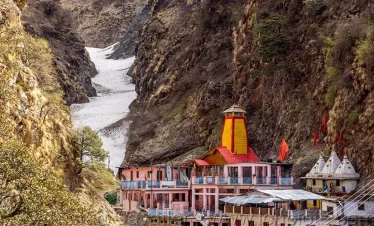
Yamunotri – As name is also indicating this your first stop of Chardham Yatra dedicated for Goddess Yamunotri which also known as the sister of Yama (God of Death)
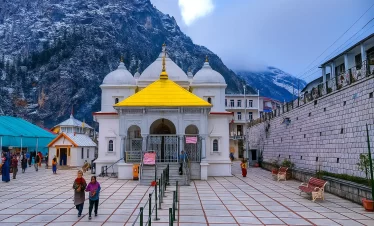
Gangotri – Second destination of chardham yatra is Gangotri Dham dedicated to goddess Ganga which is located above the 3100 meters from the sea level. you can also visit to the actual source of Ganga Gaumukh Sagar just 19km trek from the Gangotri Temple.
Chardham yatra is one of the biggest pilgrimage site in India. In order to attain salvation many Indians come for such yatra. Not only Indians but tourists from all over the world visit Chardham. Its beauty attracts people from every corner of the world.Chardham consists of four adobes, Gangotri, Yamunotri, Kedarnath, Badrinath. Chardham remains open from May to October and in the rest months it is closed due to unpleasant climate.
The Char DhamYatra is a pilgrimage circuit covering four important and highly-sanctified religious shrines namely YamunotriDham, GangotriDham, KedarnathDham, and BadrinathDham. Char DhamYatra is loosely translated as a voyage covering four heavenly abodes. This route is also called the Char Dham in Uttarakhand or Choota Char Dham. Anyone who takes up this circuit is said to experience spiritual bliss.
Why Char DhamYatra?
This is one of the many circuits that many Hindus choose to cover during their lifetime. Char DhamYatra reliefs an individual from the clutches of reincarnation. It provides eternal salvation (moksha). These shrines have religious and mythological link to spiritual salvation and are regarded as one of the eminent religious circuits.
Char DhamYatra is also getting famous among young travelers as each of these four destinations are located at exquisite landscapes starting from glaciers to snow-clad mountainous paths. The route will be covered with seasonal wild flowers, astonishing serenity, and the beauty that is derived from spirituality.
The Yamunotri and Gangotri are shrines for River Goddess. Badrinath is Lord Vishnu’s abode and Kedarnath is a Jyotirlinga. In the past, there were clashes between Shaivam (those who follow Lord Shiva), and Vaishnavam (those who follow Lord Vishnu). This pilgrimage gives equal importance to both the communities and it stands as a proof that both the deities are equal and the same.
The best time to cover Char DhamYatra in 2026
All these destinations are located at very high altitude. Thus, during the peak winter season, the routes to these shrines will be blocked. Some of the shrines will be closed during half of the year. During such occasions, the main deity of the shrines will be shifted to other temples and the rituals continue. However, for Char DhamYatra, the right time is from May to October. This is the time to explore the regions and cover all the religious destinations with ease. Also, the crowd of pilgrims during this season will be very heavy. Every year, more than 2 lakhs pilgrims take up this circuit in the six month window.
The common itinerary for Char DhamYatra in 2026
Traditionally, this yatra should start from west and end in east. Thus, the route starts from Yamunotri and covers Gangotri and Kedarnath, before completing the trip at the east-most destination, Badrinath. There are also numerous mythological reasons to why this route is preferred by the pilgrims. Unfortunately, there is no direct link between these four destinations. Thus, pilgrims have to take de-tour and create a comprehensive spiritual tour covering all the important religious destinations along the way.
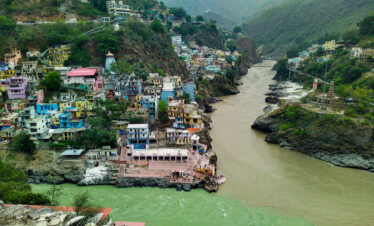
It is common knowledge that Char DhamYatra starts from Haridwar. From there, it covers Rishikesh, DeoPrayag, Tehri, Dharasu, Yamunotri (Dham), Uttarkashi, Gangotri (Dham), Gaurikund, Kedarnath (Dham), Joshimath, and at the last, the pilgrimage ends at BadrinathDham.
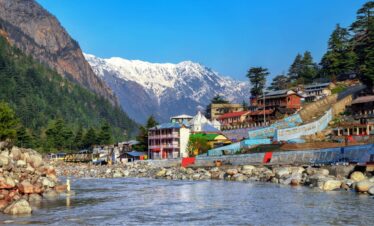
The first step of this pilgrimage is the temple that is dedicated to River Yamuna. River Yamuna is seen as a mythological figure than just a river. This shrine is located at the origin point of River Yamuna and is dedicated to the Goddess form of the river. This shrine is located in the western part of Uttarakhand. The shrine is capsulated with mountains. From the temple, two natural hot springs originate. According to another mythology, these hot springs and the region are connected to Lord Shakti. Surya Kund and Gauri Kund (the hot springs) are known for their rejuvenating powers. It is said that even one single dip in those springs would energize the body.
There is no road route to this temple. The traditional way to reach this temple is via trekking. People trek from JankiChhati or Hanuman kiChhati to this temple. Today, you can also choose between palanquins and horses to cover the route.
Gangotri Temple, Uttarkashi – the origin of River Ganges
It is not hard to reach this Dham, as it has road accessibility. This is one of the easiest destinations in this circuit. This temple is located on the riverbanks of River Bhagirathi. This temple is dedicated to River Ganges. The temple is 18 km away from Gaumukh, the origin spot of River Ganges. A small hill town Gangotri surrounds the temple and the nature is enthralling with the gushing river, snow mountains, and a unique landscape. This scenic beauty and the religious importance make this place, a real paradise.
Kedarnath Temple, Rudraprayag – Jyotirlinga temple
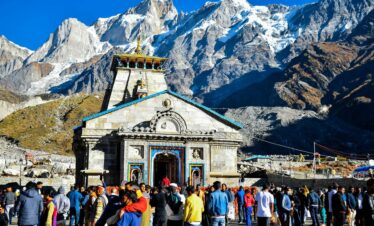
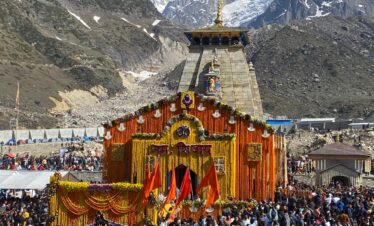
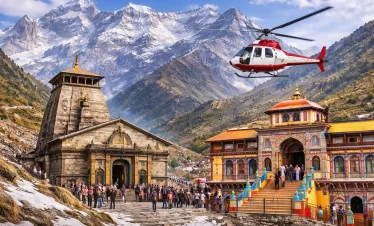
Located amidst the GarhwalMountains, this temple is a Jyotirlinga temple located on the riverbanks of Mandakini. This shrine is more than several centuries old and interestingly, it stands unaffected by the frequent flooding. You can reach up to Gaurikund via road transportation. From there, you ought to trek, take pony safari, or hire palanquin to reach the shrine. The trekking rout is 14 km and this is the most difficult destination of all, in this circuit.
Badrinath temple, Chamoli – the final towards salvation
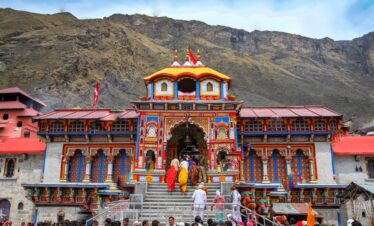
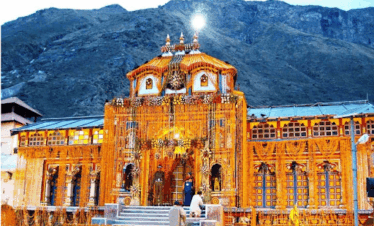
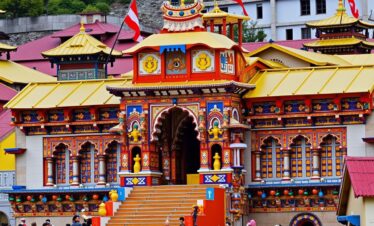
This is the Badrinarayan temple of Badrinath town. This temple was inaugurated in 9th century by AdiShankaracharya. The saint found an idol in the River Alaknanda and created a shrine for it at the Tapt Kund cave. The main idol is black in color and the temple is built with numerous colorful façade. You can easily reach this shrine via road. If you desire, you can take a small trek to Mana Village, the last village on the Indian border, on the Indo-Tibet route.
The Char DhamYatra of 2026 starts on 19th April 2026 and ends on 16th November 2026.
Badrinath temple – Opens on 23 April 2026 and closes on (the day before Dusshera). The temple opens on the day of Basant Panchami.
Kedarnath Temple – Opens on 22 April 2026 (around 8:00 AM). The temple is opened on the day of Shivratri and is closed on the day of BhaiyaDooj.
Yamunotri Shrine – Opens on 19 April 2026 This shrine of Goddess Yamuna opens of the Akshaya Tritiya day.
Gangotri Temple – Opens on 19 April 2026
Transportation to cover Char DhamYatra
The best way for international tourists to start the Char DhamYatra is by reaching Delhi international airport. From there, you can find any transportation to reach Haridwar. Some prefer to start the pilgrimage from Dehrdun. From there, you can easily find road transportation to Gangotri, Badrinath Temple, Gaurikund (Kedarnath), and JankiChhati.
By air
The closest airport to this circuit is the Jolly Grant Airport of Dehradun. From there, you can hire road transportation to reach Haridwar. From Haridwar, you can take taxis or buses to numerous temples and start the circuit.
By train
You can reach Dehradun or Haridwar via train from many important destinations in the country. From there, you can find road transportation to Gangotri, Badrinath, and others.
By road
From Haridwar or Dehradun, you can find road access to Gangotri and Badrinath Temple. You can also find road transportation to Gaurikund and Hanuman kiChhati or the JankiChhati. Rental cars and Volvo buses are quite common in this route.
Helicopter Char DhamYatra
If you are looking for a less intensive travel experience, you can cover the circuit in a helicopter. From Delhi, you can find numerous tour operators who would cover all the four destinations or any of the two or one shrines via helicopter. The cost ranges from INR 2,500 to 1,25,000, based on the tour package and service provider.
Tips for a safe and enjoyable Char DhamYatra
How to pack for Char DhamYatra of 2026?
Q: What is the pilgrimage route for the Char Dham circuit in Uttarakhand?
A: The tour starts at YamunotriDham and covers Gangotri and KedarnathDhams before reaching the BadrinathDham.
Q: Which is the ideal time for visiting Char Dham circuit?
A: The route is open from April to October. However, the best time to cover this route is from April to June. Even during peak summer, the temperature will not increase beyond 20 degrees C.
Q: Are all the shrines of Char Dham accessible via road?
A: Gangotri and Badrinath Temple are easily accessible via road. The Yamunotri and Kedarnath Temple require trekking, horse or pony ride, or palanquin to reach. It is a physically intensive route.
Q: What type of clothing is right for Char Dham circuit?
A: Cotton clothing with a warm jacket or woolen clothing would be perfect attire for this circuit.
Q: Who constructed the Yamunotri Temple?
A: Maharani Guleria, the queen of Jaipur built this 19th century structure. This temple is located on Garhwal Mountains, in the western Uttarakhand.
Q: When was Gangotri Temple built?
A: In 18th century, this shrine was built by Amar Singh, a Gorkha general. Later, it was renovated by the king of Jaipur.